See Workbooks in action
Don't miss out: Claim a free 90-minute CRM Success Workshop now
Don't miss out: Claim a free 90-minute CRM Success Workshop now

Get clear dashboards and analytics

Automated campaigns and customer journeys

Accurately monitor, forecast, and plan your sales

Manage invoices, contracts and order from one tool

Boost productivity and drive your sales process

Manage projects, track revenue and budget
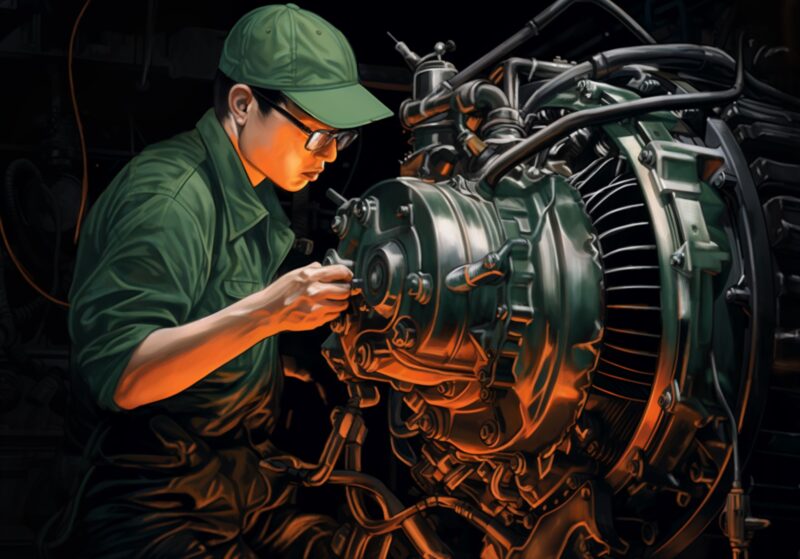
Meet your lean manufacturing targets, engage customers in the last mile, and seamlessly integrate your ERP. Workbooks is the specialized CRM solution tailored for organizations in the manufacturing industry.




Improve the return on investment in sales and marketing

Enhance customer experience and enable new revenue streams

Streamline business operations and integrate with existing systems including ERP
Workbooks offers manufacturing sales teams a platform to streamline customer data management from lead generation to order completion, and analyze team performance on a more granular level.
We equip marketing teams with customer preference and purchasing insights using manufacturing-specific criteria, supporting targeted campaigns and ensuring higher rates of customer engagement.

High-quality customer service is a key differentiator for manufacturing companies, but many still implement cumbersome manual systems to track customer information. With manufacturing CRM software, agents can automate support processes and efficiently manage customer queries using one centralized system.
Workbooks empowers support teams to transform their customer service offering and even sell it on to customers as an additional product.
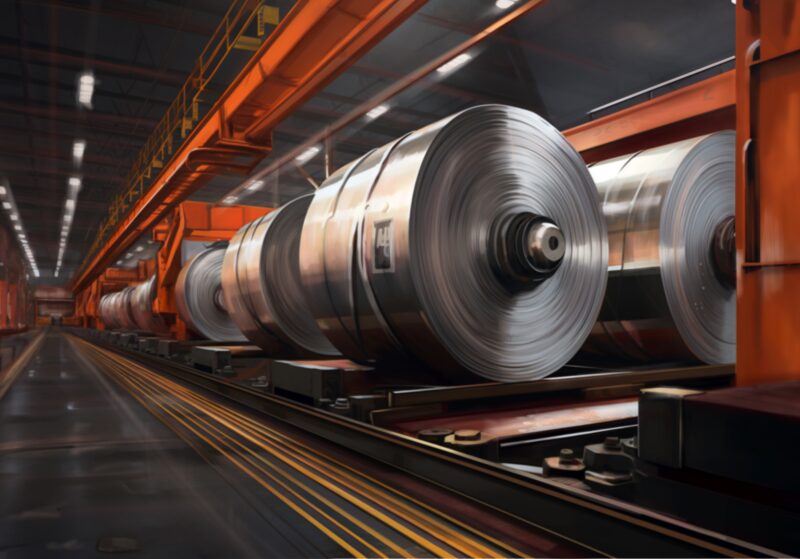
While ERP systems are vital in manufacturing, they are usually inadequate for sales and marketing processes. Workbooks supports fast integration with ERP systems, allowing you to leverage existing customer knowledge to support upselling and cross-selling opportunities.
CRM and ERP integration provides a holistic view of all relevant invoices, orders, and supply chain activity. This means you can anticipate production schedules, review stock availability and build a culture of responsiveness to market dynamics.

CRM in manufacturing refers to the implementation of specialized software and processes to manage customer interactions in the manufacturing industry. It helps manufacturers to streamline and enhance customer-related engagements, such as marketing, sales and customer service.
CRM and supply chain management are separate business functions that each serve different purposes. CRM primarily addresses the optimization of customer interactions, while supply chain management works to coordinate end-to-end supply chain processes such as procurement, production and distribution of goods.
There’s a common misconception that ERP software can cover everything manufacturers need. But without a CRM, you’re likely to have gaps in your data and missed sales opportunities.
While ERP and CRM systems are distinct software solutions, there are lots of benefits of integrating them.